
Backyard Sauna Build: From Planning to Relaxation
After years of wanting a personal sauna space, I decided to build a backyard sauna from the ground up. This project combined carpentry, electrical work, and design to create a two-room structure featuring a traditional sauna room and a separate change room.
After years of wanting a personal sauna space, I decided to build a backyard sauna from the ground up. This project combined carpentry, electrical work, and design to create a two-room structure featuring a traditional sauna room and a separate change room.
The Project
After years of wanting a personal sauna space, I decided to build a backyard sauna from the ground up. This project combined carpentry, electrical work, and design to create a two-room structure featuring a traditional sauna room and a separate change room.
Planning and Construction
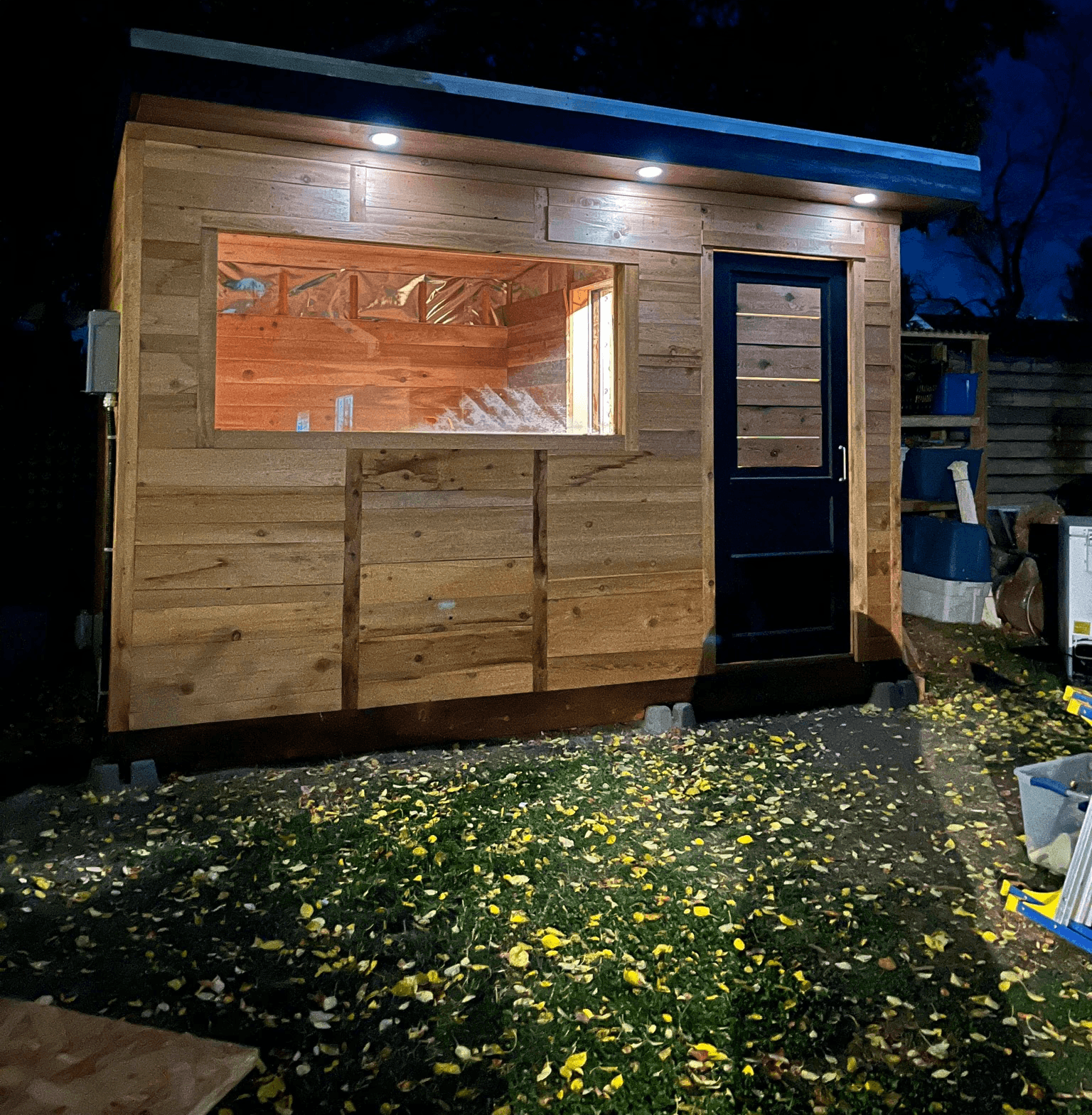
The build required careful planning to ensure both functionality and safety. I designed the structure with two distinct spaces: the main sauna room equipped with an electric heater, and an adjacent change room for convenience. The exterior features pot lights in the soffits, while the interior includes ambient LED lighting installed beneath the benches for a relaxing atmosphere.
One of the most complex aspects was the electrical system. I worked with a licensed electrician to install a dedicated spa panel on the exterior of the sauna, connected to the main house breaker panel via underground conduit. This setup powers the 30-amp sauna heater and separate 15-amp lighting circuit, with all components meeting code requirements for outdoor electrical installations.
Technical Highlights
The electrical infrastructure involved digging an 18-inch trench from the house to the sauna location, installing PVC conduit, and pulling appropriately gauged wire. I researched and selected a Schneider Electric HomeLine 50 Amp spa panel that provided sufficient power for both the heating and lighting needs while staying within budget.
Interior lighting includes strategically placed LEDs under the benches, creating a warm, inviting glow during evening sessions. The pot lights in the exterior soffits provide practical illumination for nighttime access.
Lessons Learned
Building a sauna taught me the importance of proper electrical planning for outdoor structures. Understanding load calculations, wire gauge requirements, and proper grounding ensured a safe installation. Working with a licensed electrician was invaluable for navigating code requirements and ensuring everything was done correctly.
The project also reinforced the value of thorough research before purchasing materials. By carefully comparing spa panel options and understanding exactly what components I needed, I avoided costly mistakes and unnecessary purchases.
The Result
The finished sauna has become a favorite retreat space. The combination of functional design and ambient lighting creates the perfect environment for relaxation after long days. This project demonstrated that with proper planning, research, and professional guidance where needed, complex builds like outdoor saunas are achievable.
#SaunaBuild #BackyardSauna #DIYSauna #HomeImprovement #ElectricalWork #OutdoorLiving #SaunaLife #HomeRenovation #DIYProject #BuildItYourself #SaunaDesign #BackyardProject
The Project
After years of wanting a personal sauna space, I decided to build a backyard sauna from the ground up. This project combined carpentry, electrical work, and design to create a two-room structure featuring a traditional sauna room and a separate change room.
Planning and Construction
The build required careful planning to ensure both functionality and safety. I designed the structure with two distinct spaces: the main sauna room equipped with an electric heater, and an adjacent change room for convenience. The exterior features pot lights in the soffits, while the interior includes ambient LED lighting installed beneath the benches for a relaxing atmosphere.
One of the most complex aspects was the electrical system. I worked with a licensed electrician to install a dedicated spa panel on the exterior of the sauna, connected to the main house breaker panel via underground conduit. This setup powers the 30-amp sauna heater and separate 15-amp lighting circuit, with all components meeting code requirements for outdoor electrical installations.
Technical Highlights
The electrical infrastructure involved digging an 18-inch trench from the house to the sauna location, installing PVC conduit, and pulling appropriately gauged wire. I researched and selected a Schneider Electric HomeLine 50 Amp spa panel that provided sufficient power for both the heating and lighting needs while staying within budget.
Interior lighting includes strategically placed LEDs under the benches, creating a warm, inviting glow during evening sessions. The pot lights in the exterior soffits provide practical illumination for nighttime access.
Lessons Learned
Building a sauna taught me the importance of proper electrical planning for outdoor structures. Understanding load calculations, wire gauge requirements, and proper grounding ensured a safe installation. Working with a licensed electrician was invaluable for navigating code requirements and ensuring everything was done correctly.
The project also reinforced the value of thorough research before purchasing materials. By carefully comparing spa panel options and understanding exactly what components I needed, I avoided costly mistakes and unnecessary purchases.
The Result
The finished sauna has become a favorite retreat space. The combination of functional design and ambient lighting creates the perfect environment for relaxation after long days. This project demonstrated that with proper planning, research, and professional guidance where needed, complex builds like outdoor saunas are achievable.
#SaunaBuild #BackyardSauna #DIYSauna #HomeImprovement #ElectricalWork #OutdoorLiving #SaunaLife #HomeRenovation #DIYProject #BuildItYourself #SaunaDesign #BackyardProject
Tardigrade - Mini Art "Car" for Burning Man
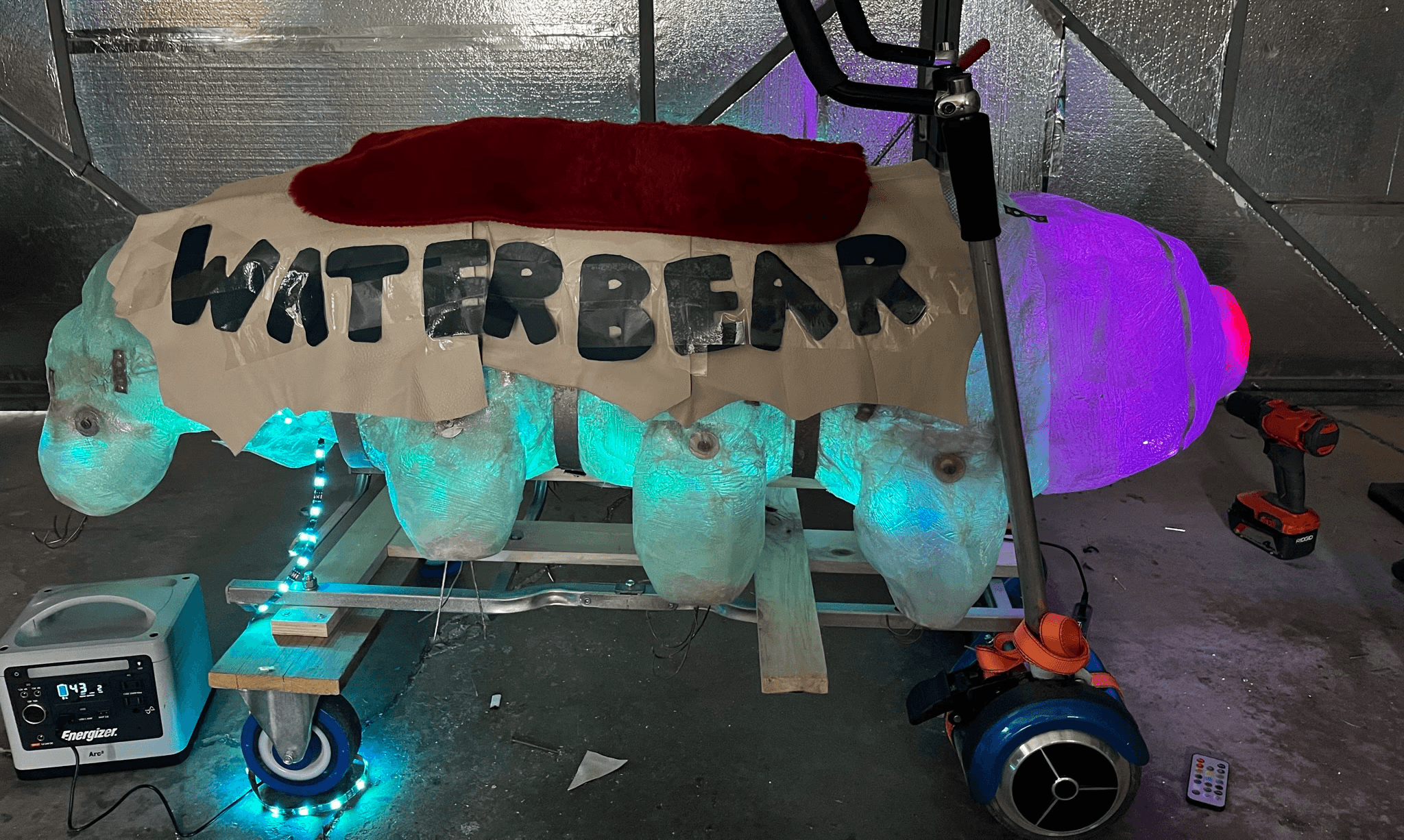
After renovating my 1978 Beachcomber trailer, I transformed leftover fiberglass into Tardigrade/ "Waterbear"—a glowing mini art car for Burning Man 2023's "Animalia" theme. I sculpted the world's most resilient creature from free styrofoam, added a repurposed hoverboard for power, and installed dollar store LEDs for color-changing illumination. Despite battery limitations in muddy playa conditions, this two-rider vehicle drew curious onlookers, becoming a conversation piece about biology and creative reuse rather than just transportation.
78' Beachcomber Restoration
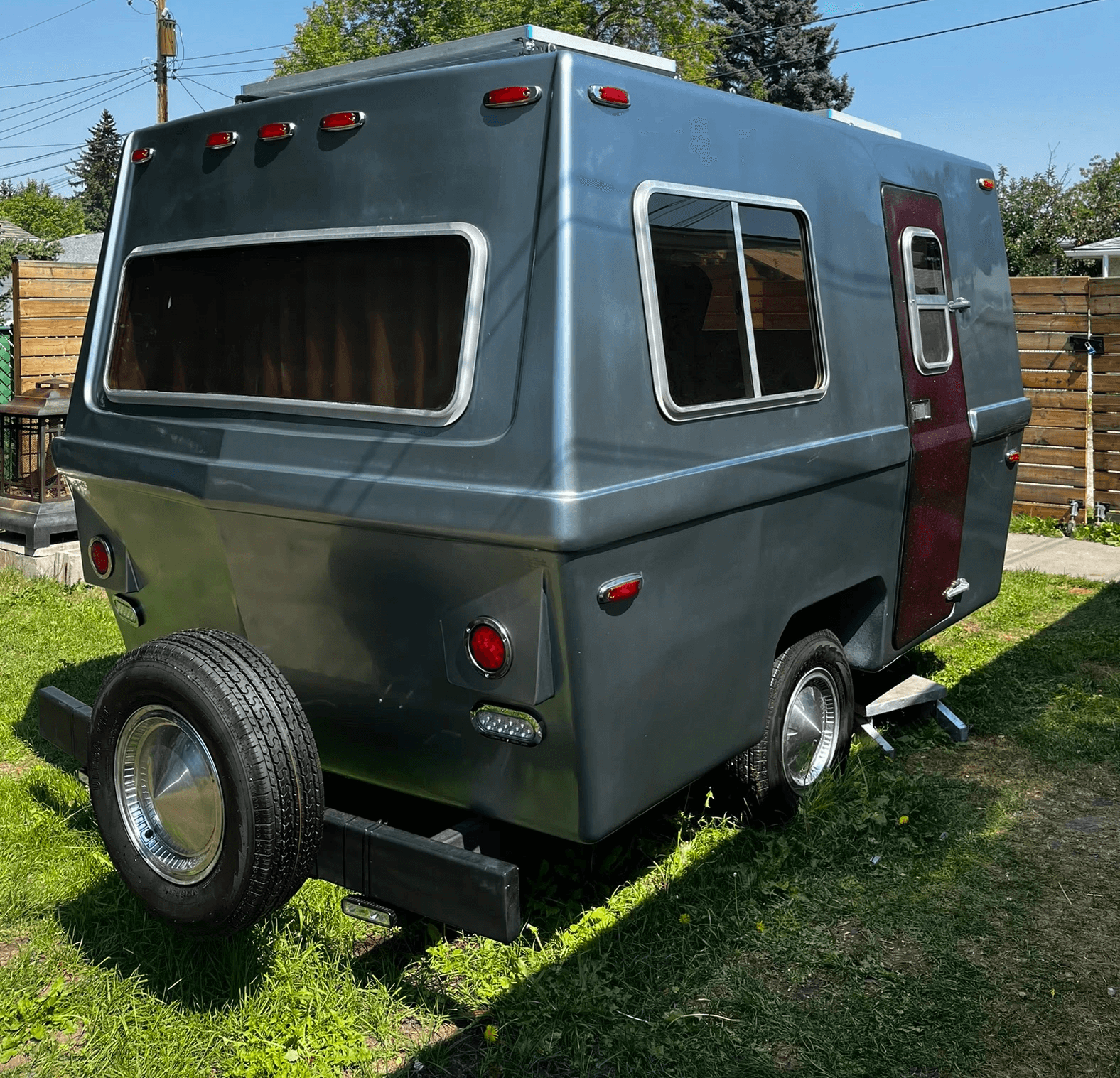
When we first laid eyes on our 1978 Beachcomber fiberglass trailer, we saw beyond the worn exterior and dilapidated interior to the potential that lay beneath. Little did we know just how extensive this renovation journey would become! What started as a passion project quickly transformed into a complete overhaul, challenging our skills and patience while teaching us countless valuable lessons along the way.

Copyright © 2025 More Time, Inc. All Rights Reserved.
Copyright © 2026 More Time, Inc. All Rights Reserved.
Copyright © 2025 More Time, Inc. All Rights Reserved.
Copyright © 2025
More Time Design & Automation
All Rights Reserved.